

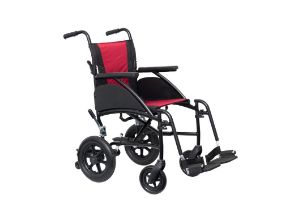
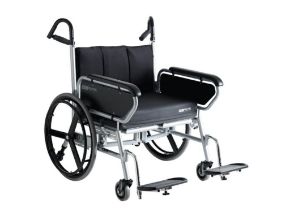
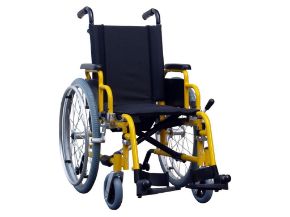
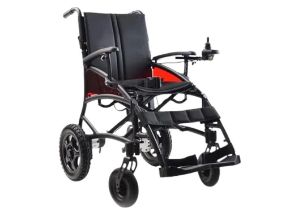




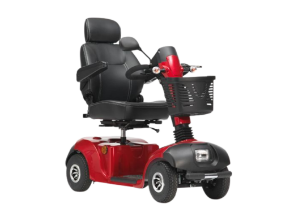

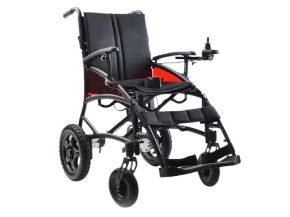














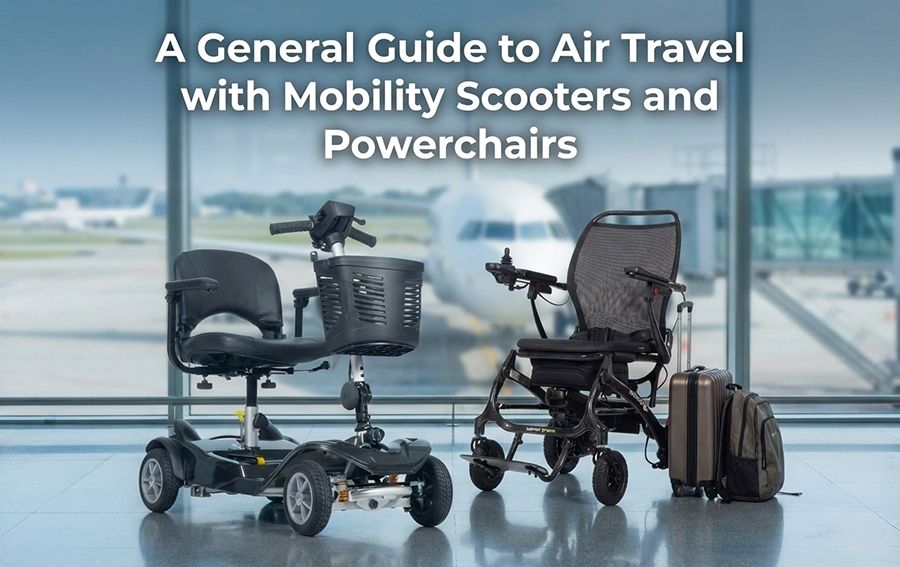
The urge to travel, explore new cities, or visit distant family doesn't diminish just because you use a mobility aid. In fact, for many, a mobility scooter or powerchair is the very tool that makes exploration possible.
However, the thought of trusting an airline with your essential equipment can be daunting. The fear of damage, the confusion over batteries, and the worry about the rules are enough to make some people stay home.
We want to change that. Flying with a mobility scooter or powerchair is a routine procedure for airlines every single day. The key to a smooth journey isn't knowing every regulation by heart, it’s knowing the general process and the importance of preparation.
This post is designed as a high-level introduction to how it generally works. We won't dive into specific weight limits or dimension requirements here, because those can change depending on the aircraft type and airline policy. Instead, we will look at the universal steps to get you and your wheels in the air.
The Golden Rule: Communicate Early
If you take one thing away from this guide, let it be this: Never just show up at the airport with a powerchair or scooter without prior arrangement.
Airlines have legal obligations to assist passengers with reduced mobility, and they want to accommodate you. But unlike a standard suitcase, your mobility aid needs dedicated space in the hold and specific handling procedures due to safety regulations.
The process starts the moment you book your ticket. Almost every airline requires notification at least 48 hours before travel, but the sooner you tell them, the better.
Gathering Your Specs
Before you even log onto an airline website, grab a pen and paper. To ensure your equipment fits in the cargo hold of the specific plane you are flying on, the airline needs three vital pieces of information:
- The Make and Model: (e.g., Drive Astrolite Mobility Scooter).
- The Dimensions: The height, width, and length of the device when collapsed to its smallest size (i.e., folded down, seat removed if applicable).
- The Weight: The total weight of the unit.
The Battery Question: The Crux of Safety
This is usually the most stressful part for travellers, but it’s straightforward if you have the right info.
Airlines are highly cautious about batteries because certain types pose a fire risk in the cargo hold. You need to know exactly what powers your chair. Generally, batteries fall into two categories:
- Wet Cell / Spillable: These are older types and require stricter handling and specific packaging by the airline.
- Dry Cell / Gel / Lithium-Ion (Non-Spillable): These are modern, common batteries and are generally easier to travel with, though strict limits apply to the "Watt-hour" (Wh) rating of lithium batteries.
Top Tip: Dig out your owner's manual or find the data sheet on the manufacturer's website. Carry a physical copy of this document with you to show airport staff if they have questions about battery safety certification.
Flying from Ireland: Key Airline Links
If you are booking travel from Ireland, you are likely looking at Ryanair or Aer Lingus. Because their specific dimension limits and notification processes change, please visit their dedicated pages directly for the most current information.
Aer Lingus
For information on informing Aer Lingus about your equipment and their specific requirements, visit their Disability Assistance page here:
Ryanair
To understand how to add a mobility device to your booking and view their restrictions on dimensions and battery types, visit their Help Centre section here:
Final (Really) Important Check
Remember, this blog post is a general introduction. Always check the specific requirements of the airline you are flying with. If you are connecting to a different airline (like British Airways, Lufthansa, or Delta) for the second leg of your journey, you must check their rules too, as they may differ from your first carrier.
Do your homework, have your measurements ready, communicate early, and enjoy your trip!