



Search
Inc. VAT Ex. VAT
Inc. VAT
All Categories
    Menu Close
    RSS

    Blog

    Avoiding Trips And Falls This Winter
    (0) Avoiding Trips And Falls This Winter

    With the weather to take a turn for the worse this week, everyone, especially the elderly, needs to take extra care. The consequences of a fall are far more serious for the elderly and that’s why they need to take precautions and mind themselves in the bad weather.

    Whether it’s the slippy footpath or something hidden by the ice or snow, there is no way of predicting a fall and it can happen suddenly. Sometimes being prepared for the worst can be the only way to prevent these trips and falls. Some of these precautions are things you can do for yourself and others are things you can do around your home.

    Personal safety

    • In icy weather and conditions, wear sensible, flat shoes with non-slip soles. If you really need to go outside, try to limit the walking you will be doing. (It is so important for elderly people to wear well-fitting shoes every day, not just during the bad weather!)
    • Have your eyes tested regularly. Poor vision can increase your chances of falling and your eyesight changes as you get older.
    • Check any medication you are on as some medication may make you feel drowsy and increase your chances of falling, due to blurred vision, feeling light headed and jelly legs.
    • Consider investing in a personal alarm and wear it when you go outdoors, alerting friends and family if you fall.
    • Don’t take a short cut, these routes are usually used less by the public and can be more slippy and dangerous.
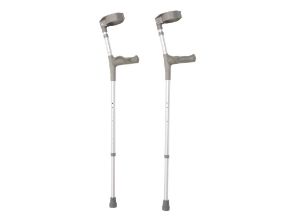
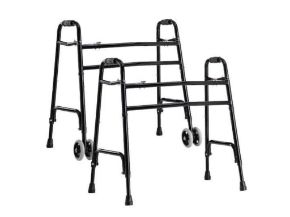
    • Take small slow steps and consider using a walking aid or a walking stick.
    • Drink plenty of warm drinks, eat plenty of hot meals and wear extra layers of clothing keeping you warm and giving you more energy to keep active.
    • Make sure you visit you GP even if you just have a minor trip to make sure you are healthy and well.

    Fall prevention in your home

    • Leave a low energy, high output light on when it’s dark, making your vision clearer and giving your home a sense of security.
    • Always use a non-slip mat in the shower and bath.
    • When moving or carrying any electrical goods make sure that the cords or wires don’t trail on the ground when you walk.
    • Have your furniture arranged in a way that makes it easy for you to move around the house without bumping into anything and making you fall.
    • Make sure that there are no rugs, magazines, newspapers or anything on the floor that will make you slip or fall over.
    • If you do need a rug, make sure to have non-slip tape on the back of it.
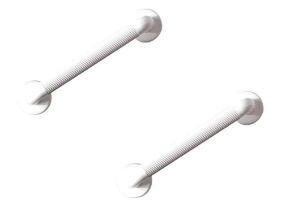
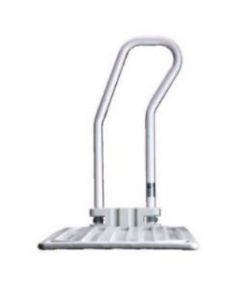
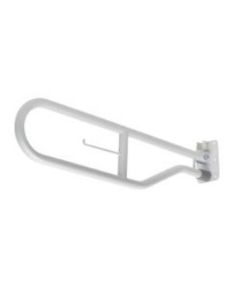
    • Have side rails installed either side of the stairs, in the bath, the shower and in the kitchen.
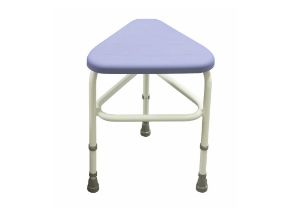
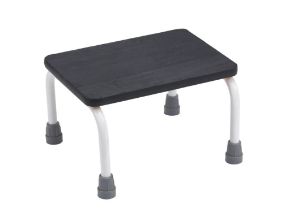
    • Have a sturdy, non-moving stool that you can rely on to stand on when you need to get things that are at a height or an awkward handle.

    Here at Beechfield Healthcare we stock a wide range of walking sticks, walking aids, hand rails and much more to help you feel safe and secure around your home.

    Exercise And The Elderly
    (0) Exercise And The Elderly

    According to the HSE one of the most important steps in maintaining good health as we age is to exercise for 30 mins, 3-5 days a week. This exercise does not need to be strenuous but it is recommended that you get your heart beating a little faster and your lungs breathing a little deeper.

    Activities can range from everyday tasks such as working in the garden, washing the car, walking the dog or even strolling around the shops.

    Regular exercise in the elderly has shown brilliant health benefits. Such as:

    • Improved blood pressure
    • Improved sleeping pattern
    • Improved muscle function
    • Improved short term memory
    • Decreased heart disease
    • Decreased depression
    • Decreased risk of falling
    • Decreased risk of colon, breast, prostate, rectal cancer and dementia.
    • Decreased diabetes

    Exercise that is suited to you:

    One excellent form of exercise for older adults is cycling. Just 30 mins of cycling 3-5 days a week can help improve muscle function and reduce your risk of heart disease and stroke.

     We understand that not everybody feels confident cycling on busy roads. They may be feeling unfit and want to exercise effectively without having to spend lots of money on heavy machinery. Here at Beechfield Healthcare we have just the solution for you!

    Now you can exercise from your chair!

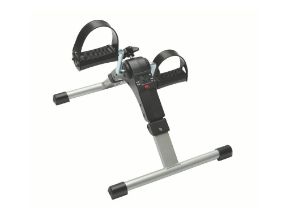
    One of our best-selling exercising products is our Deluxe Pedal Exerciser. It is ideal for users with limited mobility allowing low impact exercise that's easy on the joints and allows the blood to flow easily throughout the upper and lower body.

    Improving flexibility and strength, this pedal exerciser is an excellent way for those who are unable to exercise in the standing position but still want to exercise.

    With its wide leg spread, rubber non-marking feet and wrap around adjustable foot straps this pedal exerciser is ideal for use, while sat in your chair or even wheelchair.

    The resistance can be adjusted to ensure a good workout for all fitness levels. It has a built in digital screen to show you how many calories you’ve burned and what distance you’ve cycled.

    Exercising with limited mobility

    Another one of our best-selling exercising products is The Thera Trainer Tigo 510. It is a professional therapy device especially for wheelchair users and people with walking disability.

    With the THERA-Trainer Tigo active (with muscle power), assistive or passive (with motor power) exercise is possible. This top of the range model comes with a large touch screen, leg and upper body exerciser wih leg, foot and tip up protection.

    Factors To Consider When Choosing Your Mobility Scooter
    (0) Factors To Consider When Choosing Your Mobility Scooter

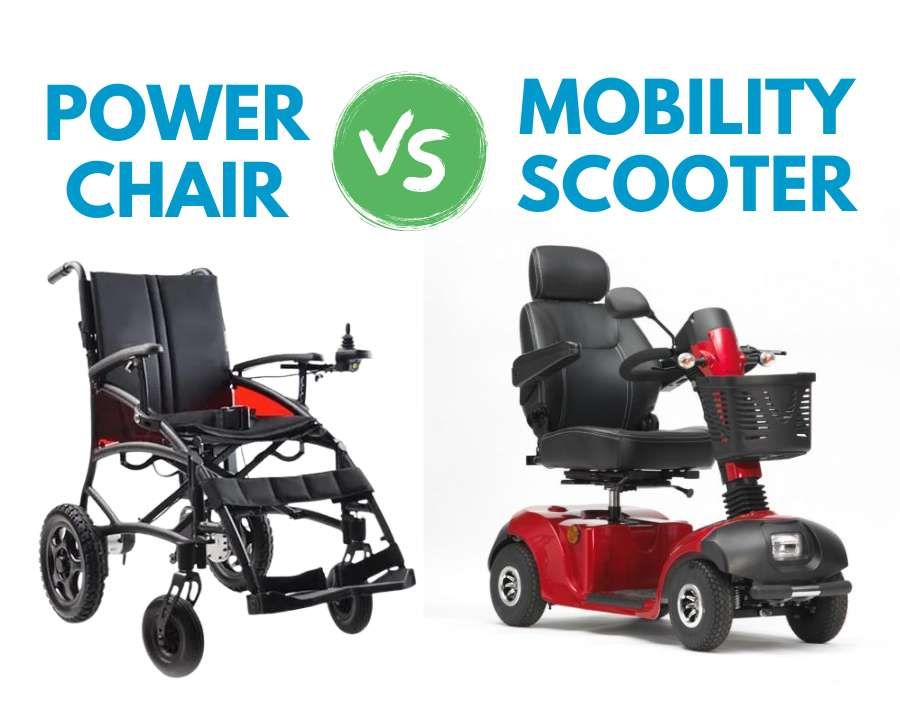
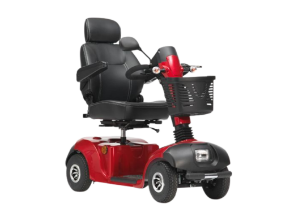
    When your mobility is limited, this is when you realise how important it really is. Simple errands like popping to the shops or visiting a neighbour can prove impossible. However, we here at Beechfield Healthcare, don’t think that limited mobility should stop you from getting around and doing the things you love. If you are finding it harder to move about and are relying on the help of others, it may be time to start thinking about investing in a mobility scooter.

    Mobility Scooters come in a wide range of models, and are a great option for those who want to remain active despite their limited agility. There are many factors to consider when choosing the right mobility scooter for your specific needs. Some of these include:

     Will you be using the scooter daily or just a couple of times a week?

    If you are going to be relying heavily on your scooter then you must buy a good quality, durable scooter with a long life and extra comfort. If the scooter will only be used a couple of times a week then the bobcat scooter will be ideal for you.

    Where will you be using the scooter?

    If you are going to use the scooter indoors, in your home or in shopping centres, you will need a more compact scooter for smoother turns down halls and on shopping centre floors. However, if you plan on using the scooter outdoors, going to work or in the park, you will need a mobility scooter with a higher clearance for footpaths and a larger battery.

    Will you need to bring it in the boot of the car?

    If you need to regularly put the scooter into the boot, then you should choose a boot scooter. Boot scooters are lightweight, compact and are specially designed to be transported and folded, perfect for most car boots and days out.

    What weight will be carried on the scooter?

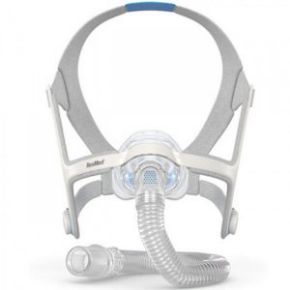
    Heavier users will need a more durable and hard-wearing mobility scooter. There are many contributing factors to the weight being carried on the scooter. These must be considered when choosing the right mobility scooter for your safety and needs. Many users forget to factor in the weight of breathing apparatus they may be using or shopping bags they may be carrying when choosing the right mobility scooter. Some people may have gained a little extra weight due to medication, a medical condition or lack of exercise due to limited mobility.

    Is the user taller and will he or she need extra leg room?

    If you are taller, you will need extra leg room for added comfort and safety. This will prevent you getting cramps and pains in your legs.

    Will the scooter be used on long journeys, if so they will need a larger battery?

    If you are going to use your scooter on longer journeys you will need a scooter with a larger battery to last the journey. When the battery is well maintained and charged daily it can last up to 3 years. It is important for the user to get into the habit of charging the battery daily and keeping an eye on its quality.

    Where are you going to store your scooter?

    It is recommended that your mobility scooter should be stored in dry conditions, not too warm or cold for maximum longevity and safety. Damp conditions are extremely damaging for the motor, battery and electrical elements of the scooter.

    Here at Beechfield Healthcare, we are sure to have a mobility scooter to suit all your needs. We have an extensive range of scooters to choose from, and our experts are available to help at any time. Go to beechfieldhealthcare.ie to see our full range of mobility scooters, or phone us on 0818 989 353.

    Understanding Commodes And Their Uses
    (0) Understanding Commodes And Their Uses

    A commode is a mobile toilet, that is suitable for the bedroom and can be moved from one room to another.

    Who uses a commode?

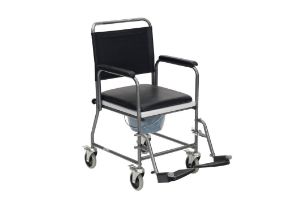
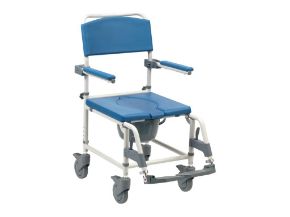
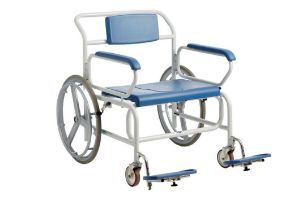
    Commodes can be a life changing piece of equipment and are perfect for anyone who is bed bound, or recovering from an operation or an accident and needs a toilet solution nearby or downstairs to reduce walking distance. For the larger person, a bariatric version of the product may be more comfortable to use. We have a wide range of bariatric toilet seats, bariatric commodes and bariatric shower commodes. Most of our commodes are height adjustable which makes life easier for the user.

    What does a commode look like?

    A commode usually looks like a chair and can come with or without wheels. They are available in a range of colours and styles.to suit the users wants and needs. We also have commodes that look like normal wicker chairs for ultimate discretion.

    Top Tips when choosing the perfect commode for your needs?

    • Consider your agility and do you need a static or wheeled commode?
    • Do you need a shower commode?
    • Where will you use your commode or will you be moving it about the house?
    • Will you need your commode long-term or just for a recovery period?
    • Consider the weight of the user? Do you need a standard or bariatric model?
    • Are you already in a wheelchair? Do you need removable armrests for ease of transfer?

    Our product specialist will help to select the right commode for your needs. Contact us now or call us on 0818 989 353