






Most people don't decide they need a riser recliner. Someone close to them notices first. A son watches his dad take three goes to get out of the armchair. A daughter finds her mam asleep in the chair again at midnight. Small moments like these are often the earliest signs that sitting down and standing up have become harder work than they should be.
A riser recliner is a motorised armchair that gently tilts forward to help you stand, and reclines so you can rest properly. Below are the seven signs our customers' families tell us they spotted first, and what tends to help.
1. Pushing hard off the armrests to stand
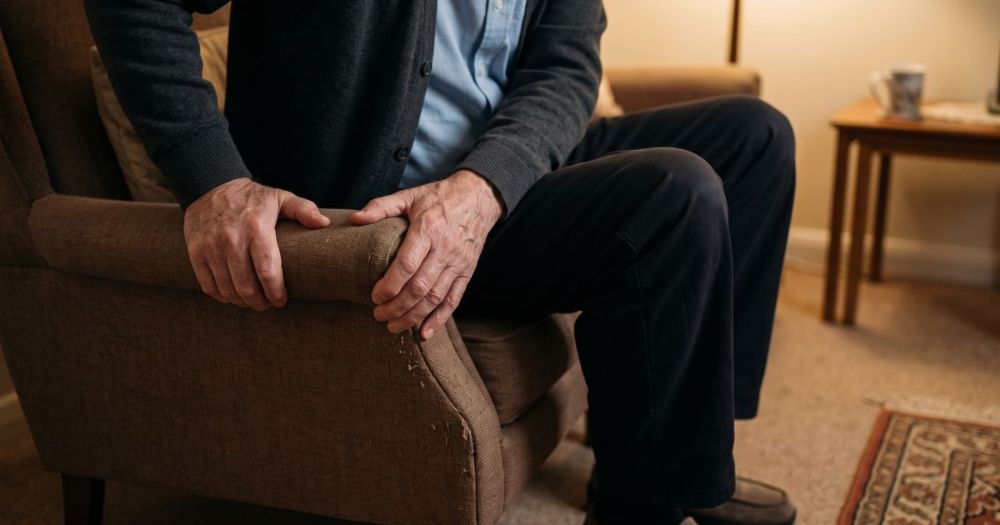
What it looks like: Rocking forward two or three times, gripping the arms tightly, or needing a hand on the coffee table to get up.
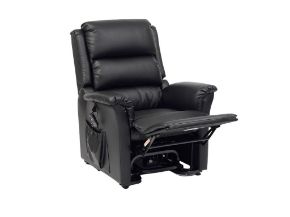
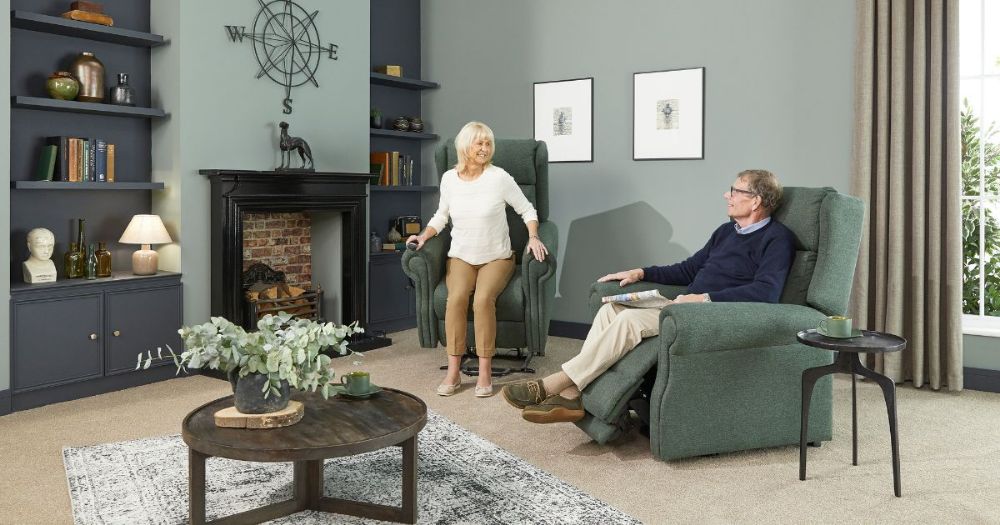
What helps: A riser recliner's power-lift raises the seat to a near-standing position, so the legs and arms do far less of the work. The Joyce Riser Recliner lifts smoothly at the touch of a button.
2. Choosing the hard kitchen chair over the comfy one
What it looks like: The favourite armchair sits empty while they perch on a dining chair, because it's easier to get out of.
What helps: A chair at the right seat height with a gentle lift means comfort and ease no longer have to be a trade-off. When seated, feet should rest flat on the floor with knees at roughly 90 degrees.
3. Dozing off in the chair every evening
What it looks like: Falling asleep in front of the television most nights, sometimes staying there because getting up feels like too much effort.
What helps: A dual-motor recliner lets them adjust the backrest and footrest separately, finding a properly supported position for a nap, then rise easily when it's time for bed.
4. Waiting for someone to help them up
What it looks like: Staying put until a visitor arrives, or calling out for a hand before they can answer the door or put the kettle on.
What helps: A simple handset puts standing back in their own control. Independence at home often comes down to not having to wait for anyone.
5. Feet up on a pouffe every evening
What it looks like: Legs propped on a stool or a stack of cushions to get comfortable, often at an awkward angle.
What helps: A riser recliner's built-in footrest raises the legs in a supported position. With dual motors, they can sit upright to read or eat while keeping their legs raised. If ankle swelling is new or getting worse, mention it to their GP.
6. Sliding forward or perching on the edge of the seat
What it looks like: Sitting on the front few inches of a deep sofa, or sliding down and constantly shuffling back up.
What helps: A chair sized to the person, with the right seat depth and width, keeps them supported. Our faux leather Joyce comes in Petite, Standard and Large, and the Opera Collection runs from Petite to Grande.
7. Spending less time in the sitting room
What it looks like: Going to bed earlier, or staying in the bedroom during the day, because the living room chairs are hard to use.
What helps: A comfortable chair that's easy to get in and out of can bring someone back into the heart of the home, with family, visitors and the radio or TV.
A quick self-check
If you answer yes to two or more of these, a riser recliner is worth exploring:
- Does standing up from your usual chair take more than one attempt?
- Do you avoid your favourite chair because it's too low or too deep?
- Do you spend more than a few hours a day seated?
If there's been a fall, or mobility has changed quickly, speak to your GP or an occupational therapist first. They can assess what's needed at home.
When to ask an occupational therapist first
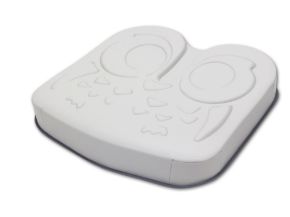
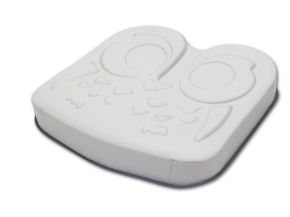
For many people, choosing a riser recliner is straightforward. But if your parent spends most of the day seated, or has skin that marks or breaks easily, pressure sores can become a real concern. An occupational therapist (OT) can assess how they sit and recommend the right seat size, cushioning and features. That might mean a pressure-relieving cushion, a chair with tilt-in-space to spread their weight, or a set routine for changing position through the day.
An OT's advice is just as valuable when other health conditions are involved. Conditions such as Parkinson's, a past stroke, heart or breathing problems, severe arthritis or memory difficulties can all change what the right chair looks like, from seat height and back support to how simple the handset needs to be. Your GP can refer your parent to a community OT through the HSE, or you can book a private OT assessment. We're always happy to work alongside your OT and talk through the options on 0818 989 353.
Which riser recliner suits whom?
Chair | Price | Best for |
|---|---|---|
Joyce Riser Recliner (fabric) | €699 (was €799.50) | Dual-motor comfort at an accessible price, in Grey, Blue, Oatmeal or Teal |
From €859 | Wipe-clean finish, in Petite, Standard or Large | |
From €998.99 | Handcrafted styles, some with tilt-in-space; end-of-line colourways, limited stock | |
€2,099 | Extra-wide seating for users up to 31.5 stone |
Not sure whether you need single or dual motor, or which size? Our Riser Recliner FAQ and Buying Guide covers the details.
Try one, or talk to us
The best way to know is to sit in one. Visit our Dublin or Portlaoise showroom on a weekday to try our riser recliners in person, or call our team on 0818 989 353. You can also browse the full riser recliner range online, with free delivery across Ireland on orders over €100. If you'd like the chair delivered, assembled and demonstrated, our engineered delivery service is available for €130.