


Thursday 19 November is Stop Pressure Ulcer Day, a European awareness day led by the European Pressure Ulcer Advisory Panel (EPUAP). In hospitals around Ireland, tissue viability nurses will be sharing advice with colleagues and visitors. Here is what every family and carer should know.
What is a pressure ulcer?
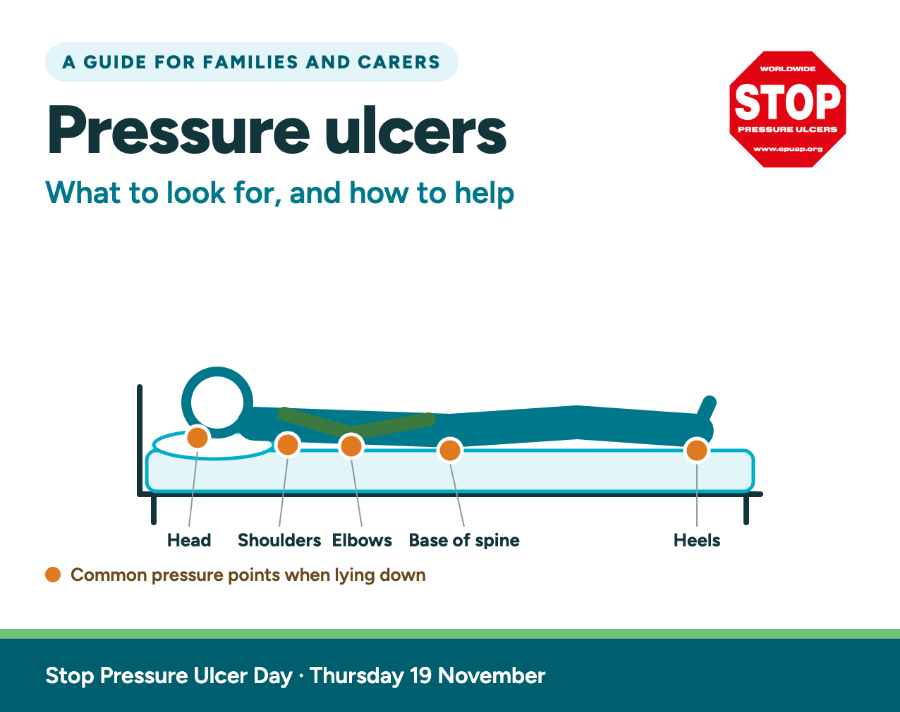
A pressure ulcer (sometimes called a bed sore or pressure sore) is damage to the skin and the tissue underneath. It is caused by pressure over time, often combined with friction or shear when someone slides down a bed or chair. They most often form over bony areas: heels, hips, the base of the spine, elbows, shoulder blades and the back of the head.
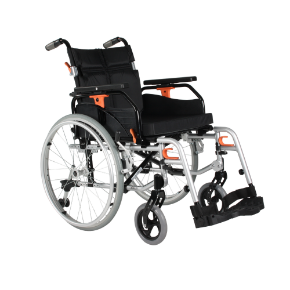
Anyone who spends long periods in a bed or chair can be at risk. That includes older people, people recovering from illness or surgery, wheelchair users and people with reduced feeling in their skin.
What to look for
- Red, purple or darker patches that do not fade when you press them lightly
- Skin that feels warmer, cooler, firmer or softer than the skin around it
- Pain, tingling or itching over a bony area
- Blisters, broken skin or an open wound
- On darker skin tones, redness may be hard to see; look for colour changes, swelling, or skin that feels different
Five ways to help – the SSKIN approach
Healthcare teams in Ireland use a simple checklist called SSKIN. It works at home too.
- Skin: check pressure areas daily, especially heels and the base of the spine.
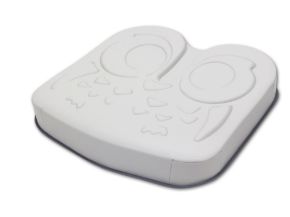
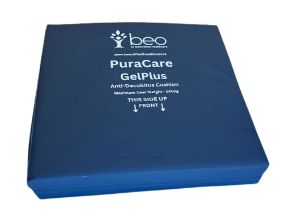
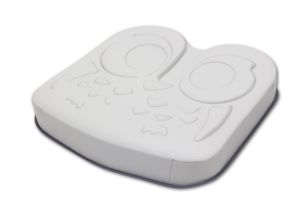
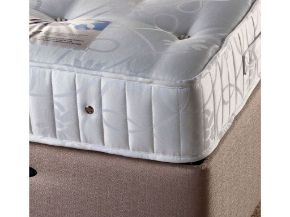
- Surface: the right mattress, overlay or cushion helps spread weight more evenly. Ask your OT or nurse what suits the person's level of risk.
- Keep moving: small changes of position, regularly, make a real difference. Encourage standing or shifting weight if possible.
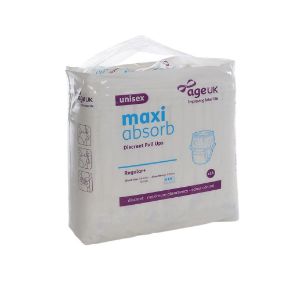
- Incontinence and moisture: keep skin clean and dry, and use gentle products.
- Nutrition: good food and plenty of fluids help skin stay healthy.
Why let the care team know?
Most pressure ulcers can be prevented, and early damage is easier to treat. If you notice a warning sign, tell the nurse, GP or care team straight away. In hospitals and care homes, staff record and report pressure damage so the service can find out what happened and stop it happening to someone else. Raising a concern is never a bother - it's part of good care.
How Better Living can help
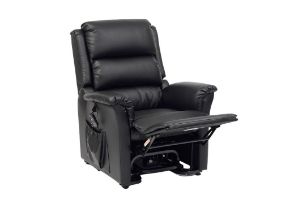
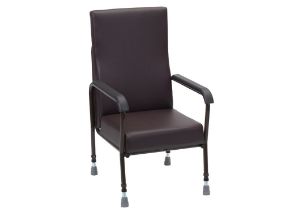
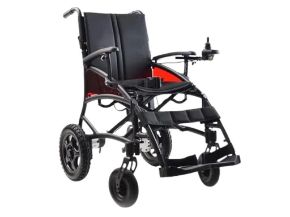
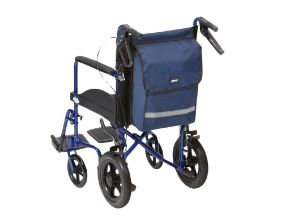
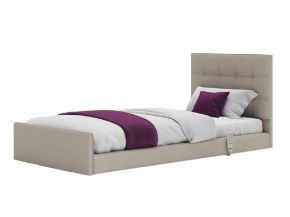
Our range includes pressure relief cushions, profiling beds and riser recliners designed with comfort and pressure redistribution in mind. Our advisors can talk you through the options - but for anyone already showing signs of pressure damage, always follow the advice of their healthcare professional.