






Cookies help us deliver our services. By using our services, you agree to our use of cookies.
Search

Inc. VAT Ex. VAT
Inc. VAT
Powerchair Frequently Asked Questions
What is the difference between a powerchair and a mobility scooter?
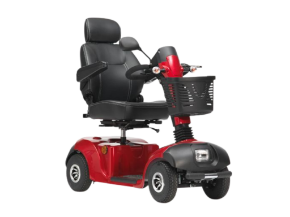
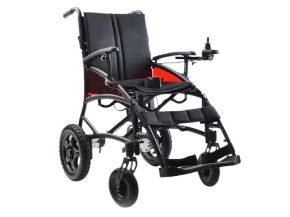
The primary difference is maneuverability. Powerchairs use a joystick and can often turn on their own axis, making them perfect for narrow hallways and indoor use. Mobility scooters use a tiller (handlebars) and have a larger turning radius, making them better suited for longer outdoor journeys.
Can I get a grant for a powerchair in Ireland?
Yes. Many customers qualify for the HSE Mobility Aids Grant, which can provide up to €8,000 (as of 2026). Because powerchairs are often a medical necessity, they are frequently covered. You will usually need an Occupational Therapist (OT) assessment to support your application.
Do I need a licence or insurance to drive a powerchair?
No. In Ireland, powerchairs are mobility aids and do not require a driving licence, road tax, or a theory test. While insurance isn't legally required, we highly recommend a B2C policy to cover accidental damage or third-party liability in public spaces.
Can I reclaim VAT on a powerchair?
Yes. Individuals with a physical disability in Ireland can reclaim the 23% VAT. You simply need to submit a VAT 61A Form to the Revenue Commissioners. We provide the itemised paid in full invoice required for your claim.
Are powerchairs easy to transport in a car?
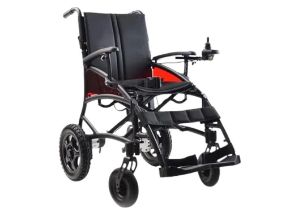
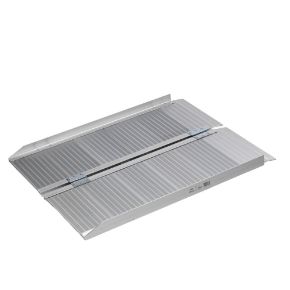
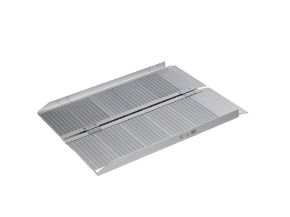
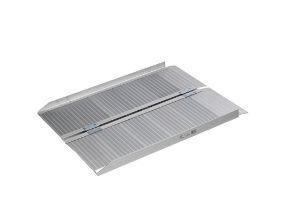
It depends on the model. We specialise in folding powerchairs, like the AeroCarbon, which are made from lightweight carbon fibre and fold in seconds to fit into a standard car boot. Larger, non-folding models may require a ramp or a wheelchair-accessible vehicle (WAV).
Can I take my powerchair on Irish buses and trains?
Yes. Most powerchairs fit the standard 70cm x 120cm wheelchair space on Irish Rail and Bus Éireann.
- Trains: Book 24 hours in advance with Irish Rail.
- Buses: Most operators, including Dublin Bus, require a free Mobility Scooter/Powerchair Permit to ensure your model fits their ramps.
How do I maintain the battery during an Irish winter?
Cold and damp weather can reduce battery range. To protect your powerchair:
- Charge Daily: Plug it in after every trip, even short ones.
- Avoid Freezing: Store the chair (or just the battery) in a dry, indoor area.
- Don't Drop to 0%: Try to recharge when the battery hits 30% to prevent long-term damage.

Payment options


